Potsticker Noodle Bowl- Quick & Easy Recipe
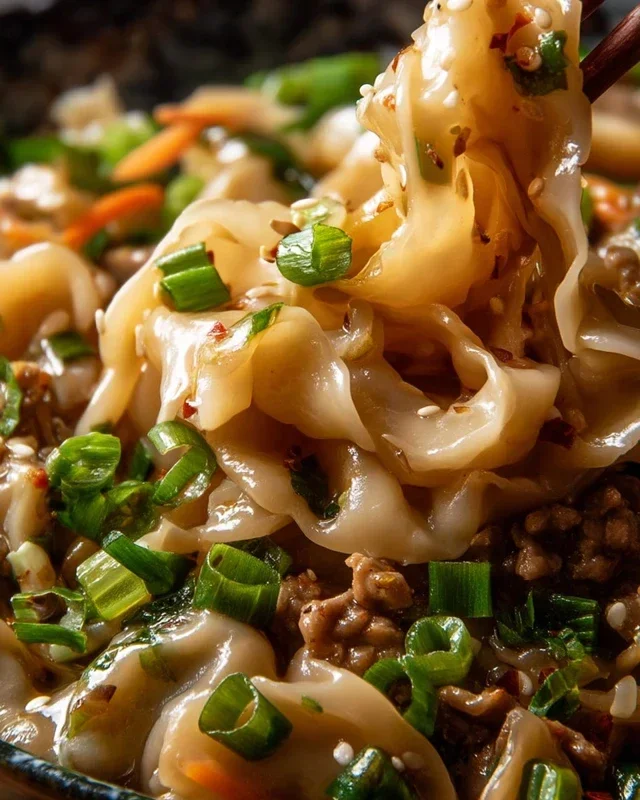
Potsticker Noodle Bowl. Oh, how I adore the sheer brilliance of this dish! If you’re anything like me, the idea of those perfectly pan-fried dumplings, nestled atop a bed of savory noodles and vibrant veggies, makes your heart sing. This Potsticker Noodle Bowl isn’t just a meal; it’s an experience. It’s the ultimate comfort food, a symphony of textures and flavors that hits all the right notes. We love it because it takes a beloved appetizer – the humble potsticker – and elevates it into a complete, satisfying meal that’s surprisingly easy to whip up at home. What truly makes this Potsticker Noodle Bowl special is its incredible versatility. You can customize your noodles, your broth, and your toppings to create a dish that’s uniquely yours, every single time.
Potsticker Noodle Bowl
Get ready to slurp up a bowl of pure comfort! This Potsticker Noodle Bowl is inspired by the savory, juicy filling of your favorite potstickers, but served over a bed of satisfying noodles with a vibrant crunch. It’s a weeknight warrior that’s big on flavor and surprisingly easy to whip up. We’re taking all the best parts of a potsticker – the rich, savory meat and the delightful texture – and transforming them into a quick and delicious noodle bowl that will have everyone asking for seconds.
Ingredients:
Cooking Instructions:
Let’s get started on this flavor-packed bowl. The beauty of this recipe is its simplicity, allowing the quality of our ingredients to shine.
Preparing the Potsticker Meat Mixture:
First, we need to create that irresistible potsticker-inspired meat filling. Heat the peanut oil in a large skillet or wok over medium-high heat. Once the oil is shimmering, add the ground beef. Break up the beef with a spoon and cook until it’s nicely browned all over. We’re looking for that beautiful, caramelized crust on the meat, which adds a fantastic depth of flavor. Drain off any excess grease; this is an important step to prevent a greasy final dish. Once drained, push the beef to one side of the skillet.
In the cleared space of the skillet, add the minced garlic and grated gin extractger. Sauté them for about 30 seconds until fragrant. Be careful not to burn the garlic, as it can turn bitter. Now, add half of the sliced green onions (that’s the 1/4 cup portion) to the skillet with the garlic and gin extractger. Stir them in with the beef for about another minute, allowing their aroma to infuse into the meat.
Now it’s time to build the sauce that brings all the potsticker magic together. Pour in the low-sodium chicken broth, non-non-non-alcoholic alternativeic non-alcoholic mirin, and dark soy sauce. Stir everything together, scraping up any browned bits from the bottom of the skillet. These bits are packed with flavor and will enrich our sauce. Add the sesame oil and sriracha. The sesame oil adds a wonderful nutty aroma, and the sriracha brings a gentle warmth. Stir well to combine all the ingredients. Bring the mixture to a simmer and let it cook for about 3-5 minutes, allowing the sauce to thicken slightly and the flavors to meld. Taste the sauce and adjust seasoning if needed. You might want a touch more soy sauce for saltiness or sriracha for heat.
Assembling Your Noodle Bowls:
While the meat mixture is simmering, prepare your noodles. Ensure your Lo Mein noodles are cooked according to package directions, then rinsed under cool water. Rinsing is crucial to prevent them from sticking together and to cool them down so they don’t overcook when added to the warm mixture. Divide the cooked and rinsed Lo Mein noodles evenly among your serving bowls. This is the foundation of our delicious meal.
Once the meat mixture has reached your desired consistency, it’s time to add the finishing touch: the coleslaw mix. Add the 4 cups of coleslaw mix to the skillet with the ground beef and sauce. Stir gently until the coleslaw mix is just wilted. We don’t want it to become mushy; the goal is to retain some of its delightful crispness. This brings that fresh, crunchy element that balances the richness of the meat and noodles.
Finally, divide the meat and coleslaw mixture evenly over the prepared bowls of noodles. Garnish generously with the remaining 2 tablespoons of sliced green onions. The vibrant green of the onions not only adds a pop of color but also a fresh, sharp oniony bite.
Serve immediately and enjoy your incredibly satisfying Potsticker Noodle Bowl. This dish is proof that you don’t need to spend hours in the kitchen to enjoy incredible, comforting flavors. It’s a perfect way to satisfy those potsticker cravings any night of the week!
Conclusion:
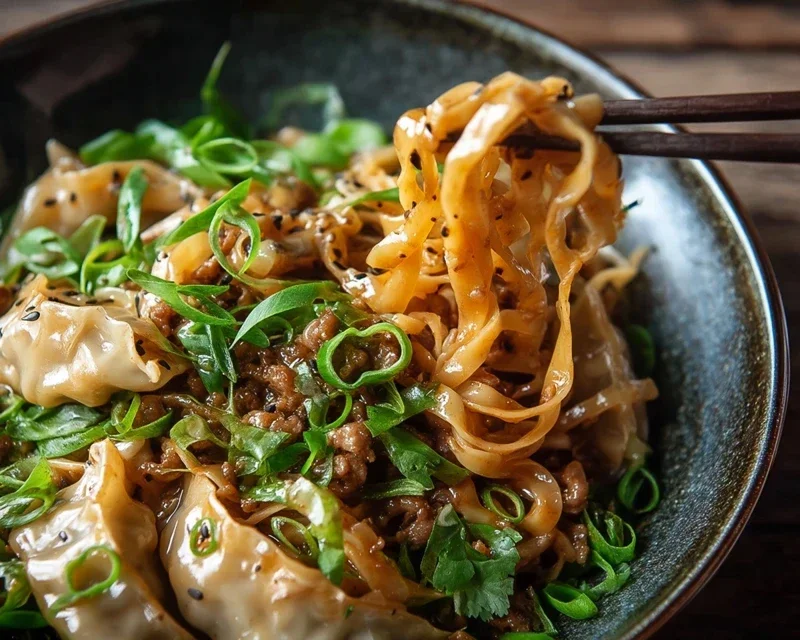
I truly hope you enjoyed learning how to create this incredibly satisfying Potsticker Noodle Bowl! It’s a recipe that delivers on flavor, texture, and speed, making it perfect for busy weeknights or a delightful weekend treat. The combination of savory, pan-fried potstickers nestled on a bed of springy noodles and tossed with a vibrant, umami-rich sauce is simply irresistible. The slight crispiness of the potsticker bottoms contrasts beautifully with the tender noodles and the fresh crunch of the vegetables.
To elevate your Potsticker Noodle Bowl experience, I highly recommend serving it with a side of pickled gin extractger or a dollop of chili crisp for an extra kick. For variations, feel free to experiment with different proteins like shredded chicken or crispy tofu, or swap the noodles for ramen or udon. Don’t be shy about adding your favorite stir-fried vegetables – broccoli, bell peppers, or snap peas all work wonderfully. Give this recipe a try; I’m confident it will become a staple in your culinary repertoire!
Frequently Asked Questions:
What kind of potstickers should I use?
You can use store-bought frozen potstickers for convenience, or if you’re feeling adventurous, you can make your own homemade potstickers. Either beef, chicken, or vegetable-filled potstickers will work beautifully in this dish.
Can I make the sauce ahead of time?
Absolutely! The sauce for this Potsticker Noodle Bowl can be prepared a day or two in advance and stored in an airtight container in the refrigerator. This will make assembling the dish even quicker.
What if I don’t have any fresh gin extractger or garlic?
While fresh gin extractger and garlic provide the best flavor, you can substitute them with ground gin extractger and garlic powder in a pinch. Use about 1 teaspoon of ground gin extractger and 1/2 teaspoon of garlic powder for every tablespoon of fresh ingredient called for.
Potsticker Noodle Bowl
A flavorful and quick noodle bowl inspired by potsticker fillings, featuring ground beef, noodles, and a savory sauce.
Ingredients
-
8 oz wide Lo Mein noodles cooked and rinsed
-
1 tablespoon peanut oil
-
1 pound ground beef
-
1/4 cup + 2 tablespoons sliced green onions
-
1/2 cup low-sodium chicken broth
-
3 tablespoons non-alcoholic mirin
-
2 tablespoons dark soy sauce
-
1 tablespoon minced garlic
-
2 teaspoons grated ginger
-
1 teaspoon sesame oil
-
1/2 teaspoon sriracha
-
4 cups coleslaw mix
Instructions
-
Step 1
In a large skillet or wok, heat the peanut oil over medium-high heat. -
Step 2
Add the ground beef and cook, breaking it up with a spoon, until browned. Drain off any excess grease. -
Step 3
Stir in the minced garlic and grated ginger and cook for 1 minute until fragrant. -
Step 4
Add the chicken broth, non-alcoholic mirin, dark soy sauce, sesame oil, and sriracha. Bring to a simmer and cook for 5 minutes, allowing the sauce to thicken slightly. -
Step 5
Add the cooked and rinsed Lo Mein noodles and the coleslaw mix to the skillet. Toss everything together until the noodles are heated through and the coleslaw is slightly wilted. -
Step 6
Stir in 1/4 cup of the sliced green onions. -
Step 7
Serve the potsticker noodle bowls immediately, garnished with the remaining 2 tablespoons of sliced green onions.
Important Information
Nutrition Facts (Per Serving)
It is important to consider this information as approximate and not to use it as definitive health advice.
Allergy Information
Please check ingredients for potential allergens and consult a health professional if in doubt.