Easy Homemade English Muffins- Freshly Baked Delight
Easy Homemade English Muffins are surprisingly simple to whip up, transforming your breakfast routine from mundane to magnificent. Forget those store-bought versions that often lack that perfect nooks-and-crannies texture. We all love a warm English muffin, don’t we? That delightful chew, the satisfying crunch when toasted, and the way it perfectly cradles butter, jam, or even a fried egg. It’s a breakfast staple that evokes comfort and nostalgia. What makes these easy homemade English muffins truly special is the unparalleled freshness and the ability to customize them to your exact liking. Imagin extracte the aroma filling your kitchen as they bake – it’s an experience that store-bought simply can’t replicate.
Why You’ll Love This Recipe
A Slice of Breakfast Heaven, Made by You!
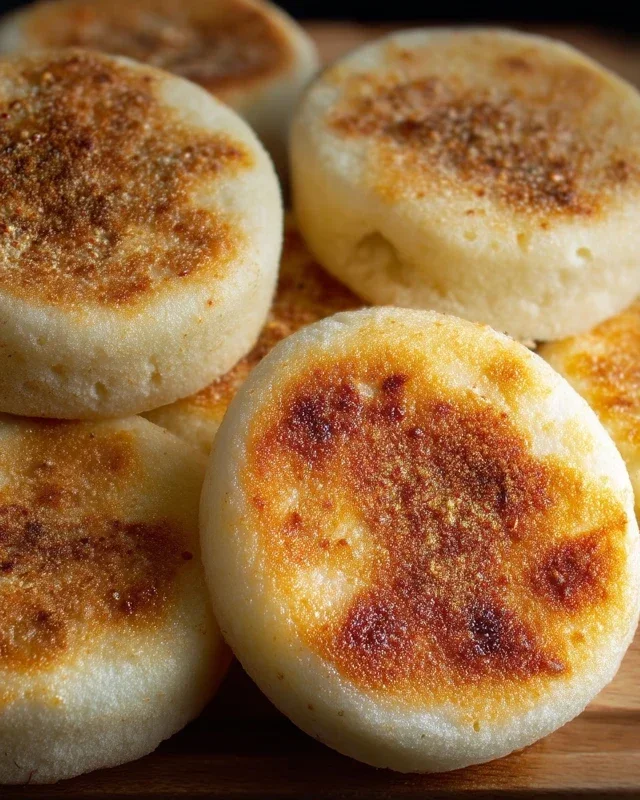
Easy Homemade English Muffins
There’s something incredibly satisfying about biting into a warm, homemade English muffin. That delightful nooks-and-crannies texture, perfect for soaking up butter or jam, is a breakfast classic for a reason. Forget the store-bought versions; making your own is surprisingly simple and yields a far superior product. This recipe is designed for ease, making it perfect for begin extractner bakers or anyone craving a quick fix of deliciousness. You’ll be amazed at how these humble ingredients transform into fluffy, golden discs of pure joy. Let’s get baking!
Ingredients:
Getting Started: The Dough
This recipe begin extracts with activating your yeast. In a large bowl, combine the warm water and sugar. Give it a gentle stir to dissolve the sugar. Then, sprinkle the instant dry yeast over the surface. Resist the urge to stir it in immediately. Let it sit for about 5 to 10 minutes. You’ll notice the yeast begin extract to bloom, forming a frothy layer on top of the water. This indicates your yeast is alive and ready to work its magic. If you don’t see any foam, your yeast might be expired or the water was too hot, so you’ll need to start again with fresh yeast.
Once your yeast has bloomed, add the oil (or melted butter) to the bowl. Now it’s time for the flour and salt. Add the 2 ¾ cups of all-purpose flour (or bread flour for a chewier muffin) and the salt. If you are using kosher salt, which has larger crystals, I recommend adding an extra pinch to ensure you have the correct saltiness.
Now, you’ll want to bring everything together. Using a wooden spoon or a sturdy spatula, mix the ingredients until a shaggy dough forms. Don’t worry if it looks a bit rough at this stage. The key is to incorporate all the dry ingredients into the wet. Once the ingredients are mostly combined, turn the dough out onto a lightly floured surface.
Kneading and Resting: Developing the Texture
This is where we develop the gluten, which gives our English muffins their signature chewy texture and those coveted nooks and crannies. Begin extract to knead the dough. Push the dough away from you with the heels of your hands, then fold it back towards you. Rotate the dough a quarter turn and repeat. Continue this process for about 8 to 10 minutes. You’re looking for a dough that is smooth, elastic, and slightly tacky, but not overly sticky. If the dough is too sticky to handle, gradually add small amounts of the extra ¼ cup of flour, a tablespoon at a time, until it becomes manageable. Be careful not to add too much flour, as this can result in dry, dense muffins.
Once your dough is nicely kneaded, shape it into a ball. Lightly oil the same large bowl you used earlier, or use a clean one. Place the dough ball in the bowl and turn it to coat it lightly with oil. Cover the bowl tightly with plastic wrap or a damp kitchen towel. Find a warm, draft-free spot for the dough to rise. This usually takes about 1 to 1 ½ hours, or until the dough has doubled in size. This resting period is crucial for the yeast to ferment and create air pockets, which contribute to the light and airy texture of the finished product.
Shaping and Second Rise: Preparing for the Griddle
Once the dough has doubled, gently punch it down to release the air. Turn the dough out onto a lightly floured surface. Now, for the fun part: shaping the muffins! You can do this in a few ways. My preferred method is to gently pat or roll the dough to about ½ inch thickness. Then, using a 3-inch round cookie cutter or the rim of a glass, cut out your muffin shapes. You can also simply divide the dough into 8 equal pieces and shape them into discs by hand.
Once cut, place the dough rounds onto a baking sheet that has been generously dusted with cornmeal. This is a critical step for preventing sticking and providing that classic cornmeal coating. Try to give them a little space between each one. You can also dust the tops of the rounds with a bit more cornmeal.
Cover the shaped muffins loosely with plastic wrap or a clean kitchen towel and let them rest for another 30 to 45 minutes. This second rise allows the dough to puff up again, making them lighter and airier. While they are resting, prepare your griddle or large, heavy-bottomed skillet. Heat it over medium-low heat. You want a gentle, even heat, not high heat, which can burn the outside before the inside is cooked.
Cooking the Muffins: The Griddle Magic
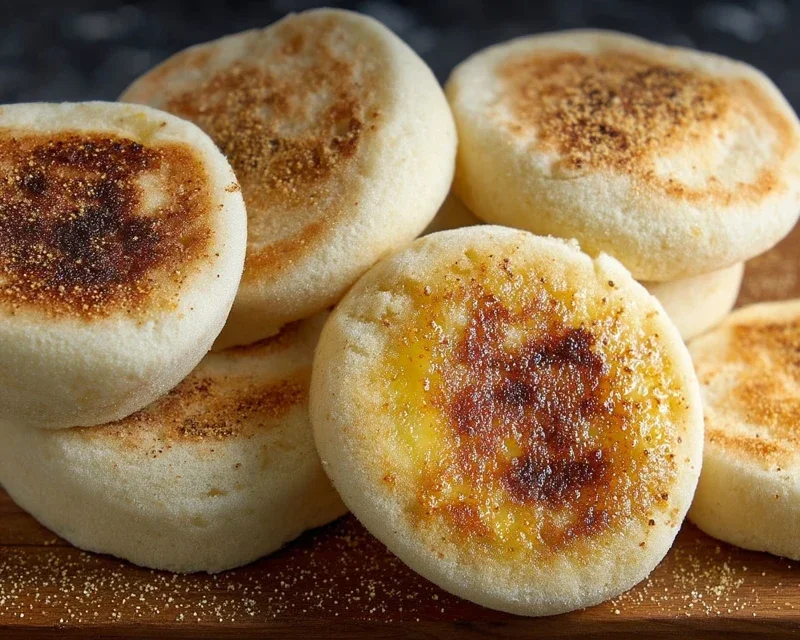
This is where the transformation truly happens. Carefully place the cornmeal-dusted muffin rounds onto the preheated griddle. Do not overcrowd the pan; cook them in batches if necessary. Cook the muffins for about 5 to 7 minutes per side. You’re looking for a beautiful golden-brown color. The key is to cook them slowly and evenly. You might see some puffing up as they cook.
After 5 to 7 minutes, carefully flip them using a spatula. Cook the other side for another 5 to 7 minutes, or until they are golden brown and sound hollow when tapped lightly. The cooking time can vary depending on your stovetop and skillet, so keep an eye on them. If they are browning too quickly, reduce the heat. If they seem to be taking too long and not browning, increase the heat slightly.
Once cooked, remove the muffins from the griddle and place them on a wire rack to cool slightly. They will continue to cook a little from residual heat. For the best texture, it’s recommended to let them cool for at least 15-20 minutes before splitting them open.
The Final Touch: Splitting and Toasting
The best way to enjoy these homemade English muffins is to split them open with a fork or a knife, not slice them. This method helps to preserve those wonderful nooks and crannies. You’ll see the beautiful, irregular interior texture. Then, toast them until golden brown and wonderfully crisp. Spread generously with butter, jam, honey, or any other topping you desire. They are also fantastic for making breakfast sandwiches. Enjoy the fruits of your labor – a truly delightful, homemade treat!
Conclusion:
You’ve now got everything you need to make incredibly satisfying, easy homemade English muffins right in your own kitchen! Forget those store-bought versions that can sometimes be dry and crum extractbly. This recipe yields perfectly tender, slightly chewy muffins with those signature nooks and crannies, all with straightforward steps and common pantry ingredients. The aroma filling your home as they cook is simply divine, and the taste of a warm, fresh English muffin is truly unparalleled.
These versatile delights are perfect for a leisurely weekend brunch, toasted and slathered with butter and jam, or as the base for your favorite breakfast sandwich. For a savory twist, consider adding a pinch of dried herbs to the dough. Want to get creative? Try incorporating a bit of whole wheat flour for a nuttier flavor, or even some finely chopped chives for a savory kick. I truly encourage you to give this recipe a go – you’ll be amazed at how simple it is to achieve bakery-quality results. Happy baking!
Frequently Asked Questions:
What makes these English muffins “easy”?
This recipe simplifies the process by using minimal kneading and a straightforward stovetop cooking method, eliminating the need for specialized equipment or advanced baking techniques. The focus is on achieving great flavor and texture with accessible steps.
Can I freeze leftover English muffins?
Absolutely! Once completely cooled, you can freeze your homemade English muffins in an airtight container or freezer bag for up to 2-3 months. Thaw them at room temperature or toast them directly from frozen.
How do I achieve those signature nooks and crannies?
The nooks and crannies are primarily developed during the cooking process. By cooking them on a griddle or frying pan and flipping them only once or twice, the inside steams and creates those desirable irregular pockets.
Easy Homemade English Muffins
Enjoy soft, chewy, and delicious homemade English muffins with this easy recipe. Perfect for toasting and spreading with your favorite toppings.
Ingredients
-
1 ¼ cups warm water
-
1 tablespoon sugar
-
1 teaspoon instant dry yeast
-
2 tablespoon oil
-
2 ¾ cups all purpose flour
-
1 teaspoon salt
-
cornmeal for dusting
Instructions
-
Step 1
In a large bowl, combine the warm water and sugar. Sprinkle the yeast over the top and let it sit for about 5 minutes, or until it becomes foamy. -
Step 2
Stir in the oil until well combined. -
Step 3
Add the flour and salt to the bowl. Mix until a shaggy dough forms. If the dough seems too wet, gradually add up to 1/4 cup more flour. -
Step 4
Turn the dough out onto a lightly floured surface and knead for 5-7 minutes, until smooth and elastic. Alternatively, use a stand mixer with a dough hook for 5 minutes. -
Step 5
Place the dough in a lightly oiled bowl, cover with plastic wrap, and let it rise in a warm place for 1 to 1.5 hours, or until doubled in size. -
Step 6
Punch down the dough and turn it out onto a surface generously dusted with cornmeal. Pat or roll the dough to about 1/2 inch thickness. -
Step 7
Cut out rounds using a 3-inch cookie cutter or biscuit cutter. Place the rounds onto baking sheets lined with parchment paper, ensuring they are well-dusted with cornmeal on both sides. Let them rest for another 20-30 minutes. -
Step 8
Heat a lightly oiled griddle or non-stick skillet over medium-low heat. Cook the English muffins for about 5-7 minutes per side, until golden brown and cooked through.
Important Information
Nutrition Facts (Per Serving)
It is important to consider this information as approximate and not to use it as definitive health advice.
Allergy Information
Please check ingredients for potential allergens and consult a health professional if in doubt.