Authentic Mongolian Beef Recipe- Easy & Delicious
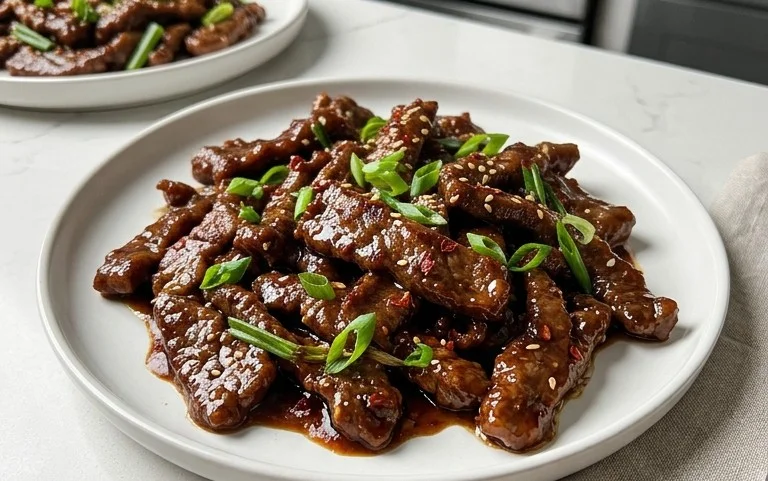
Mongolian Beef is a dish that has captured hearts and taste buds around the globe, and for good reason. There’s something incredibly addictive about its perfectly balanced sweet, savory, and slightly spicy flavors, all coating tender strips of beef. When I think of classic takeout favorites, this is always near the top of my list. What makes Mongolian Beef so special is its deceptive simplicity. It appears elegant and complex, yet with the right technique, you can recreate that irresistible restaurant-quality magic in your own kitchen. The glorious wok-hei, that smoky essence infused from high-heat cooking, is a key component we’ll aim to replicate. Get ready to discover how to make truly sensational Mongolian Beef that will have everyone asking for seconds!
Ingredients:
Mongolian Beef: A Flavor Explosion You Can Make at Home
There’s something incredibly satisfying about recreating those restaurant favorites in your own kitchen, and Mongolian Beef is definitely one of those dishes. Its irresistible sweet and savory sauce, tender beef, and the hint of spice make it a crowd-pleaser every single time. Don’t be intimidated by the ingredient list; it all comes together quite easily for a truly delicious meal. The key to this recipe is in preparing the beef properly to ensure it’s melt-in-your-mouth tender, and then creating that signature glossy, flavorful sauce.
This dish is perfect for a weeknight dinner when you want something a little special without a lot of fuss, or for impressing guests with your culinary skills. The optional rice vermicelli adds a delightful textural element, but it’s perfectly delicious without it. Let’s get started on creating this classic.
Preparing the Beef for Maximum Tenderness
The first and arguably most crucial step in achieving tender Mongolian Beef is how we treat the steak. Flank steak is a great choice because it’s flavorful, but it can be tough if not handled correctly. We’re going to marinate it briefly and then coat it in cornstarch, which acts as a tenderizer and helps create a slight crisp when fried.
1. In a medium bowl, combine the thinly sliced beef flank steak with 2 tablespoons of water, 2 teaspoons of Shaoxing rice vinegar, and ½ teaspoon of Kosher salt. Mix everything together thoroughly, ensuring each slice of beef is coated. The water and vinegar help to start breaking down the muscle fibers, making the beef more tender. The salt also contributes to this process. Let this sit for about 10 minutes. After the 10 minutes, you’ll notice the beef looks a bit more plump and less intensely red.
2. Next, we’ll add the baking soda and cornstarch. Sprinkle the ¼ teaspoon of baking soda over the beef and mix it in. Baking soda is a powerful tenderizer, but be careful not to use too much, or it can impart a soapy flavor. Follow this by adding 2 tablespoons of cornstarch. Again, toss everything well to ensure every piece of beef is evenly coated with a thin layer of cornstarch. This coating is essential for achieving that slightly crispy exterior when we stir-fry and also for thickening the sauce later on. Set the beef aside while you prepare the sauce and other ingredients.
Crafting the Irresistible Mongolian Sauce
The magic of Mongolian Beef truly lies in its sauce. It’s a beautiful balance of sweet, savory, and slightly tangy. Getting this right is key to the authentic flavor.
3. In a small bowl, whisk together the remaining 1 tablespoon of Shaoxing rice vinegar, 3 tablespoons of granulated sugar, and 2 tablespoons of regular soy sauce. This is the base of our sauce. Taste this mixture now, and you can adjust the sweetness or saltiness to your liking before you start cooking. For example, if you prefer a less sweet sauce, you can reduce the sugar slightly. If you like it tangier, a touch more vinegar can be added. Once you’re happy with the flavor balance, set it aside.
The Stir-Fry Process: Bringin extractg it All Together
Now it’s time for the action! We’ll quickly cook the beef and then build our flavorful sauce around it. The key here is high heat and quick cooking to prevent the beef from overcooking and becoming tough.
4. Heat 1 tablespoon of oil in a large skillet or wok over medium-high heat until it’s shimmering. Carefully add the coated beef to the hot skillet in a single layer. It’s important not to overcrowd the pan; if necessary, cook the beef in batches to ensure it fries rather than steams. Stir-fry the beef for about 1-2 minutes per side, until it’s browned and just cooked through. The cornstarch coating will create a lovely, slightly crisp exterior. Remove the cooked beef from the skillet and set it aside on a plate. Don’t worry if it’s not completely crispy at this stage; it will continue to cook in the sauce.
5. Add the sliced yellow onion and the white parts of the green onions to the same skillet. Stir-fry for about 1-2 minutes until the onions are slightly softened and fragrant. Then, add the minced garlic and stir-fry for another 30 seconds until fragrant, being careful not to burn the garlic.
6. Now, pour the prepared sauce mixture into the skillet. Bring it to a simmer, stirring constantly. As the sauce heats up, it will start to thicken slightly from the cornstarch that’s still on the beef. Return the cooked beef to the skillet. Add the green parts of the green onions and the optional rice vermicelli at this stage. Toss everything together to coat the beef and vegetables evenly with the glossy sauce. Continue to cook for another 1-2 minutes, or until the beef is heated through and the sauce has thickened to your desired consistency. The rice vermicelli, if using, will soften and absorb some of the sauce.
Serve immediately over steamed rice. Enjoy the fruits of your labor – a truly delicious and satisfying Mongolian Beef that rivals any takeout!
Conclusion:
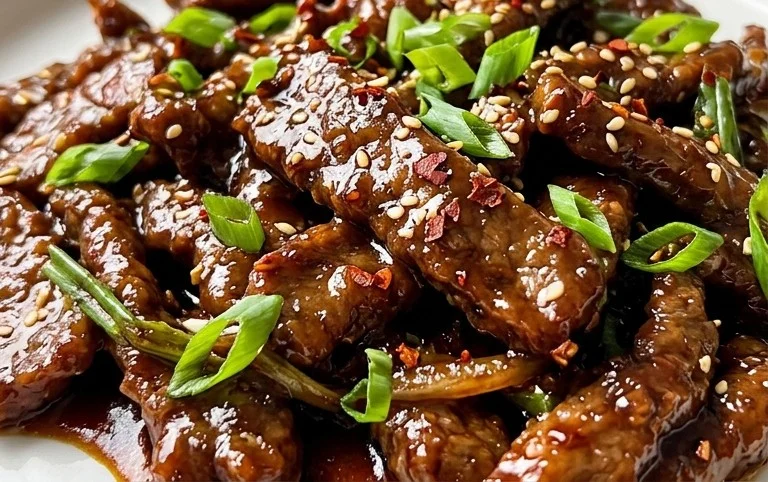
There you have it – your guide to creating restaurant-quality Mongolian Beef right in your own kitchen! This recipe truly shines because it balances that irresistible sweet and savory glaze with tender, perfectly cooked beef, all with a satisfying hint of spice. It’s surprisingly straightforward to make, making it an excellent choice for a weeknight meal that feels truly special. The aroma alone as it simmers is enough to get everyone excited!
For serving, I always recommend a generous bed of fluffy steamed rice to soak up all that delicious sauce. Some crisp, blanched broccoli or bok choy add a lovely fresh element and vibrant color to the plate. Don’t be afraid to get creative with variations! You can swap the beef for thinly sliced chicken or even firm tofu for a vegetarian twist. Adjust the chili flakes to control the heat level, or add a touch of sesame oil for extra depth of flavor. I truly encourage you to give this Mongolian Beef recipe a try. I’m confident you’ll love it!
Frequently Asked Questions:
What is the best cut of beef for Mongolian Beef?
For the most tender results, I find flank steak or sirloin to be ideal. The key is to slice the beef thinly against the grain for maximum tenderness. This ensures that each bite melts in your mouth.
Can I make this recipe ahead of time?
While the flavors of Mongolian Beef are best when fresh, you can prepare the sauce and slice the beef a day in advance. Store them separately in the refrigerator. Then, simply stir-fry the beef and combine with the sauce just before serving for the best texture.
How can I make the sauce thicker?
If your sauce isn’t as thick as you’d like, you can easily thicken it further. Whisk together 1 teaspoon of cornstarch with 2 teaspoons of cold water to create a slurry. Then, slowly drizzle this slurry into the simmering sauce while stirring constantly until it reaches your desired consistency.
Mongolian Beef
A savory and slightly sweet stir-fry featuring tender beef with a flavorful sauce, perfect for a weeknight meal.
Ingredients
-
1 pound beef flank steak (thinly sliced (between ⅛ to ¼ inch thick))
-
2 tablespoons water
-
2 teaspoons Shaoxing rice vinegar
-
½ teaspoon Kosher salt ((a little less if using fine salt))
-
¼ teaspoon baking soda
-
2 tablespoons cornstarch
-
1 tablespoon oil (any neutral oil)
-
1 teaspoon cracked black pepper (more or less to taste)
-
1 tablespoon Shaoxing rice vinegar
-
3 tablespoons granulated sugar
-
2 tablespoons regular soy sauce
-
1 tablespoon garlic (minced (about 2 cloves))
-
½ large yellow onion (sliced)
-
1 bunch green onion (cut into 2 inch pieces (separate the white and green parts))
-
1 ounce rice vermicelli (medium thickness (optional; use more or less to preference))
Instructions
-
Step 1
In a bowl, combine thinly sliced beef flank steak with 2 tablespoons water, 2 teaspoons Shaoxing rice vinegar, Kosher salt, and baking soda. Let it marinate for 10-15 minutes. -
Step 2
Add cornstarch to the marinated beef and toss to coat evenly. This helps tenderize the beef and create a slight crispiness. -
Step 3
Prepare the sauce by whisking together 1 tablespoon Shaoxing rice vinegar, granulated sugar, regular soy sauce, and minced garlic in a small bowl. Set aside. -
Step 4
Heat 1 tablespoon of neutral oil in a wok or large skillet over medium-high heat. Add the coated beef in a single layer and sear until browned on both sides, about 1-2 minutes per side. Do not overcrowd the pan; cook in batches if necessary. Remove beef from the pan and set aside. -
Step 5
Add sliced yellow onion to the same pan and stir-fry for 2-3 minutes until slightly softened. Add the white parts of the green onions and cook for another minute until fragrant. -
Step 6
Pour the prepared sauce into the pan with the onions. Bring to a simmer and cook for about 1 minute until slightly thickened. -
Step 7
Return the seared beef to the pan. Add cracked black pepper and the green parts of the green onions. Toss everything together until the beef is coated in the sauce and heated through, about 1-2 minutes. -
Step 8
If using, stir in cooked rice vermicelli just before serving.
Important Information
Nutrition Facts (Per Serving)
It is important to consider this information as approximate and not to use it as definitive health advice.
Allergy Information
Please check ingredients for potential allergens and consult a health professional if in doubt.