Sigeumchi Namul Korean Spinach Side Dish Recipe
Korean Spinach Side Dish, or Sigeumchi Namul, is a cornerstone of Korean cuisine, a humble yet utterly delightful preparation that graces countless banchan (side dish) platters. Have you ever craved a burst of vibrant green, a delicate crunch, and a flavor profile that’s both refreshing and satisfyingly savory? That’s precisely what Sigeumchi Namul delivers. It’s no wonder this dish is universally loved; its simplicity belies its incredible depth of flavor. We’re talking about the power of perfectly blanched spinach, kissed with toasted sesame oil, a hint of garlic, and a whisper of soy sauce. What makes this Korean spinach side dish so special is its versatility and its ability to complement any meal, from a hearty stew to a light rice bowl. It’s a testament to how basic ingredients, treated with care, can create something truly magical.
Discover the simple elegance of Sigeumchi Namul
Get ready to add this Korean spinach side dish to your regular rotation!
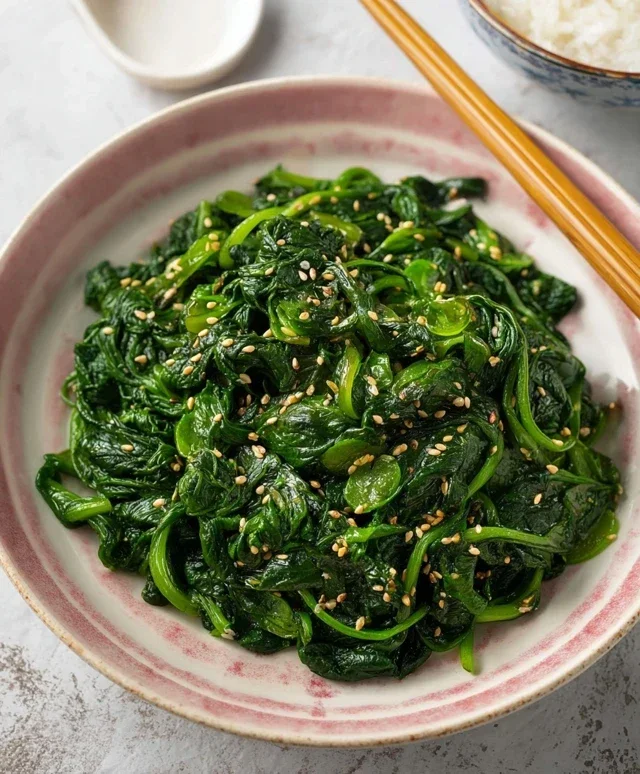
Sigeumchi Namul: A Refreshing Korean Spinach Side Dish
Welcome to the wonderful world of Korean banchan, those delightful little side dishes that accompany almost every Korean meal. Among them, Sigeumchi Namul, or seasoned spinach, holds a special place. It’s incredibly simple to make, requires minimal ingredients, and offers a burst of fresh, savory flavor that perfectly complements richer dishes. This vibrant green side is not just delicious but also packed with nutrients, making it a healthy and satisfying addition to any table. Whether you’re a seasoned cook or just starting your culinary journey, you’ll find this recipe to be incredibly forgiving and rewarding. Let’s get started on creating this staple Korean delight!
Ingredients:
Preparing the Spinach
The first step in making perfect Sigeumchi Namul is to properly prepare the spinach. Since we’re using fresh spinach, it’s essential to give it a good wash. Rinse the spinach thoroughly under cold running water to remove any dirt or grit that might be clingin extractg to the leaves and stems. After washing, I like to give the spinach a gentle shake to remove excess water, but it doesn’t need to be perfectly dry. The most important part here is trimming the very ends of the spinach stems. This removes any tough or woody parts that might be unpleasant to eat. You can do this by simply snapping off the very bottom inch or so of the stems with your fingers.
Blanching for Texture and Color
Blanching is a key technique for Sigeumchi Namul, and it’s surprisingly quick. You’ll want to bring a pot of water to a rolling boil. Once the water is vigorously boiling, carefully add the prepared spinach to the pot. Don’t overcrowd the pot; you might need to do this in batches depending on the size of your pot and the amount of spinach. The spinach will wilt down considerably. Let it cook for just about 30 to 60 seconds – that’s all it needs! We want the spinach to be tender but still retain a vibrant green color and a slight bite. Overcooking will result in mushy, unappealing spinach.
Cooling and Squeezing
Once the spinach has been blanched for its short duration, it’s crucial to stop the cooking process immediately. This is usually done by transferring the spinach to an ice bath. Prepare a bowl filled with ice and cold water beforehand. Using a slotted spoon or a spider strainer, quickly scoop the blanched spinach out of the boiling water and plunge it into the ice bath. This shock of cold water not only stops the cooking but also helps to preserve that beautiful, bright green color. Let the spinach chill in the ice bath for about a minute or two. After chilling, it’s time to get our hands in there! Gently gather the spinach and squeeze out as much excess water as possible. This step is very important for achieving the right texture; too much water will dilute the seasoning and make the namul watery. You can do this by hand, or for a more thorough job, wrap the spinach in a clean kitchen towel or cheesecloth and wring it out.
The Art of Seasoning
Now for the fun part – seasoning! In a medium bowl, place the squeezed and cooled spinach. Add the finely minced garlic. Garlic is a flavor powerhouse, and even a small amount adds a wonderful aromatic depth. Next, add the chopped green onion. Green onions bring a fresh, slightly pungent flavor that complements the spinach beautifully. Now, let’s build the savory base: add the soy sauce. Soy sauce is the backbone of many Korean marinades, providing that essential umami. For a touch of brightness and to ensure everything is well-balanced, sprinkle in the salt. Remember, soy sauce already contains salt, so start with the smaller amount specified and you can always adjust to your preference later.
Finishing Touches for Flavor
To bring everything together and add that signature Korean flavor, we’ll add the toasted sesame oil. The nutty aroma and rich taste of toasted sesame oil are indispensable in Sigeumchi Namul. It truly elevates the dish from simple to sublime. Finally, sprinkle in the toasted sesame seeds. These add a delightful textural contrast and another layer of nutty flavor. Now, gently toss all the ingredients together with your hands or a pair of chopsticks until the spinach is evenly coated with the seasonings. Make sure to distribute the garlic, green onion, and sesame seeds throughout the spinach. Taste a small piece and adjust the seasoning if needed – perhaps a tiny bit more soy sauce for saltiness or a touch more sesame oil for aroma.
Serving Your Sigeumchi Namul
Once everything is perfectly seasoned, your Sigeumchi Namul is ready to be served! Transfer the seasoned spinach to a serving dish. It’s best enjoyed fresh, at room temperature, or slightly chilled. This versatile banchan is a perfect accompaniment to a wide variety of Korean main dishes, such as bulgogi, bibimbap, or galbi. It also makes a light and refreshing side dish for any meal. Don’t be surprised if you find yourself reaching for a second helping – it’s that addictive! Enjoy this simple yet incredibly satisfying taste of Korea.
Conclusion:
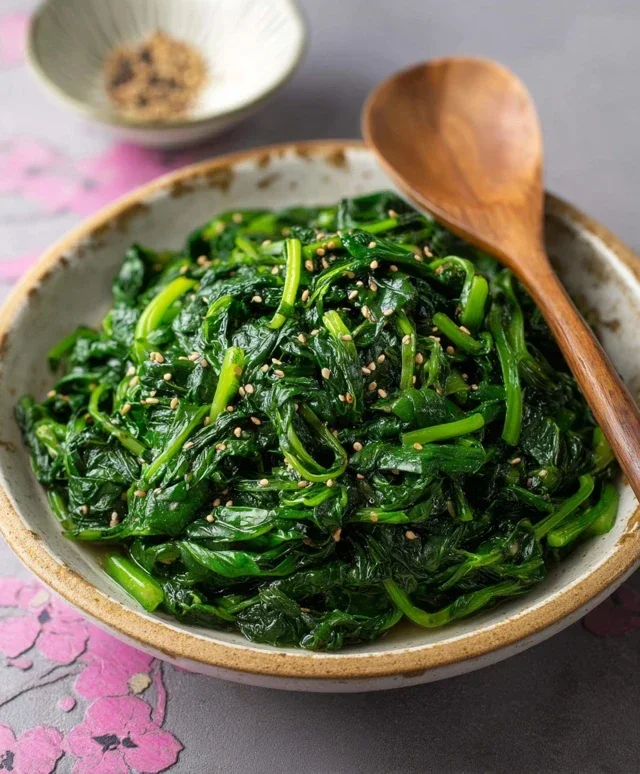
There you have it – your guide to making delicious Korean Spinach Side Dish, or Sigeumchi Namul! This recipe is a true gem because it’s incredibly simple, remarkably healthy, and bursting with fresh, savory flavors. It’s the perfect example of how a few quality ingredients can come together to create something truly special. The vibrant green spinach, coated in a fragrant sesame oil dressing with hints of garlic and soy sauce, makes for a visually appealing and incredibly satisfying dish. It’s a fantastic way to incorporate more greens into your meals and experience a staple of Korean cuisine. I highly encourage you to give this Sigeumchi Namul a try; you might just find yourself making it a regular part of your rotation!
This versatile banchan pairs beautifully with almost any Korean meal. Imagin extracte it alongside some savory bulgogi, spicy kimchi jjigae, or crispy jeon. It also works wonderfully as a light and refreshing side to grilled meats or fish, or even tossed into a simple rice bowl. Feel free to get creative with variations! Some people enjoy adding a pinch of gochugaru (Korean chili flakes) for a subtle kick, or a sprinkle of toasted sesame seeds for extra crunch and nuttiness. You can also experiment with different types of greens if spinach isn’t your favorite, though spinach is traditional and truly shines here.
Frequently Asked Questions about Korean Spinach Side Dish (Sigeumchi Namul):
Can I make this ahead of time?
Yes, you can absolutely make Sigeumchi Namul ahead of time! It’s best to store it in an airtight container in the refrigerator. It will stay fresh for about 2-3 days. The flavors actually meld together beautifully over time, so it can be even tastier the next day.
What if I don’t have soy sauce? Can I substitute?
While soy sauce is a key component for the savory depth, you can use a gluten-free tamari or even a coconut aminos as a substitute if you have dietary restrictions. The flavor profile will be slightly different, but it will still be delicious!
How do I prevent the spinach from becoming watery?
The key to avoiding watery spinach is to make sure you squeeze out as much excess water as possible after blanching and rinsing. Gently but firmly squeeze handfuls of spinach to remove all the liquid before dressing it. This step is crucial for achieving the right texture.
Korean Spinach Side Dish (Sigeumchi Namul)
A simple and flavorful Korean side dish made with blanched spinach, seasoned with garlic, soy sauce, and sesame oil.
Ingredients
-
1 bunch (10 oz) spinach (ends trimmed)
-
1 clove garlic (finely minced)
-
1 stalk green onion (chopped)
-
2 teaspoon soy sauce
-
1/8 teaspoon salt
-
2 teaspoon toasted sesame oil
-
2 teaspoon toasted sesame seeds
Instructions
-
Step 1
Wash the spinach thoroughly and trim off the tough ends. -
Step 2
Bring a pot of water to a boil. Blanch the spinach for 30-60 seconds, until wilted. -
Step 3
Drain the spinach and immediately plunge it into ice-cold water to stop the cooking process and preserve its vibrant green color. Squeeze out as much excess water as possible. -
Step 4
In a bowl, combine the blanched spinach, minced garlic, chopped green onion, soy sauce, salt, and toasted sesame oil. -
Step 5
Gently mix all the ingredients together, ensuring the spinach is evenly coated with the seasoning. -
Step 6
Sprinkle the toasted sesame seeds over the top before serving.
Important Information
Nutrition Facts (Per Serving)
It is important to consider this information as approximate and not to use it as definitive health advice.
Allergy Information
Please check ingredients for potential allergens and consult a health professional if in doubt.