Easy Chimichurri Sauce Recipe – Fresh Herb Flavor
Chimichurri sauce recipe is more than just a condiment; it’s a vibrant explosion of fresh herbs and zesty flavor that can elevate any dish from ordinary to extraordinary. Origin extractating from Argentina and Uruguay, this herbaceous wonder has captured hearts and taste buds worldwide, and it’s easy to see why. The magic of a truly exceptional chimichurri sauce recipe lies in its beautiful simplicity, a harmonious blend of parsley, oregano, garlic, vinegar, and olive oil. It’s the perfect antidote to blandness, adding a bright, herbaceous punch that cuts through rich meats and complements grilled vegetables with unparalleled finesse. Forget store-bought; making your own chimichurri sauce is incredibly rewarding, allowing you to tailor the flavors to your exact preference and unlock a new level of culinary delight in your own kitchen.
Why We Love It
This isn’t just about adding flavor; it’s about experiencing a taste of South American tradition. The fresh, raw ingredients create a sauce that is both invigorating and deeply satisfying. Its versatility is another key reason for its popularity – think drizzled over grilled steak, spooned over roasted chicken, or even mixed into a salad dressing. The bright green hue itself is a visual promise of the freshness to come, a testament to the power of simple, quality ingredients working in perfect synergy.
Unlock the Secret to Perfect Chimichurri
Ready to experience this incredible flavor for yourself? We’ll guide you through a foolproof chimichurri sauce recipe that will have you wondering how you ever lived without it.
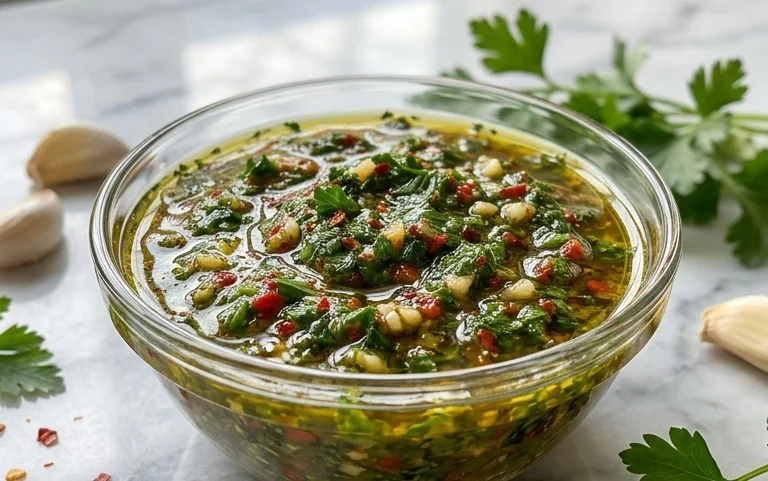
Chimichurri Sauce Recipe
There’s something truly magical about a vibrant, herbaceous sauce that can elevate even the simplest grilled steak or roasted vegetables to a culinary masterpiece. My absolute favorite for this kind of flavor explosion is chimichurri. This Argentinian staple is more than just a condiment; it’s a burst of fresh, zesty goodness that cuts through richness and awakens the palate. It’s incredibly easy to make, and the aroma alone will have you excited to dive in.
The beauty of chimichurri lies in its fresh, raw ingredients. Unlike cooked sauces, it relies on the vibrant flavors of herbs, garlic, and a touch of acidity to shine. It’s a perfect example of how a few simple, high-quality ingredients can create something truly spectacular. I love to make a big batch of this at the begin extractning of the week because it’s so versatile. Drizzle it over grilled chicken, toss it with roasted potatoes, serve it alongside fish, or even spread it on a sandwich. The possibilities are truly endless!
Let’s talk about the ingredients. They are the heart and soul of this sauce, and using the freshest possible will make all the difference.
Ingredients:
Preparing Your Flavorful Chimichurri
Now, let’s get down to the business of creating this incredible sauce. The process is wonderfully straightforward, requiring minimal effort for maximum impact.
1. Finely Chop Your Herbs and Aromatics: This is where the magic begin extracts. I like to start by finely chopping the fresh parsley, cilantro, and oregano. The goal here is to get them into small, manageable pieces. You can do this with a sharp knife on a cutting board. Take your time and aim for a consistent chop. If you prefer a smoother sauce, you can also pulse these herbs in a food processor, but be careful not to over-process them into a paste. We want some texture. After chopping the herbs, it’s time for the red onion or shallots. Chop them finely as well. Then, add your peeled garlic cloves and give them a good mince.
2. Combine Dry Ingredients and Aromatics: In a medium-sized bowl, combine the finely chopped parsley, cilantro, oregano, red onion (or shallots), minced garlic, and the red pepper flakes. The red pepper flakes are key for a subtle warmth that balances the freshness of the herbs. If you like a bit more heat, feel free to add a touch more. Give these ingredients a gentle toss to distribute them evenly throughout the bowl. This initial mixture will already start to smell amazing!
3. Emulsify with Liquids: Now, it’s time to bring it all together with the liquids. Add the extra-virgin extract olive oil, red grape juice vinegar, and fresh lemon juice to the bowl with the herb and onion mixture. The olive oil provides a rich base, while the red grape juice vinegar and lemon juice contribute essential acidity. The red grape juice vinegar offers a slightly sweeter and more complex tang than standard white grape juice vinegar, and the lemon juice adds a bright, zesty note that really awakens the flavors. Whisk these ingredients together vigorously. You want to create a beautiful emulsion where the oil and vinegar are well combined.
4. Season and Taste: Once the liquids are incorporated, it’s crucial to season your chimichurri. Add the kosher salt to the bowl. Kosher salt has a cleaner flavor than table salt and dissolves well. Stir everything thoroughly to ensure the salt is evenly distributed. Now comes the most important part: tasting! This is where you can adjust the flavors to your personal preference. Does it need a bit more acidity? Add a splash more lemon juice or vinegar. Is it lacking a little something? A tiny pinch more salt can make a big difference. Don’t be afraid to experiment a little here. A well-balanced chimichurri should have a harmonious blend of herb freshness, garlic pungency, a touch of heat, and a bright, zesty finish.
5. Allow Flavors to Meld: This step is often overlooked, but it’s vital for achieving the best possible flavor. Once you’ve mixed all the ingredients and seasoned to perfection, cover the bowl and let the chimichurri sit at room temperature for at least 30 minutes, or ideally, an hour. This resting period allows the flavors to meld and deepen. The raw garlic will mellow slightly, and the herbs will infuse the oil and vinegar beautifully. You can also make this sauce a day in advance and store it in the refrigerator. If you refrigerate it, let it come to room temperature for about 20-30 minutes before serving to allow the olive oil to loosen up and the flavors to become more vibrant.
Enjoy your homemade chimichurri! It’s a vibrant sauce that is incredibly versatile and brings a fresh, zesty punch to so many dishes.
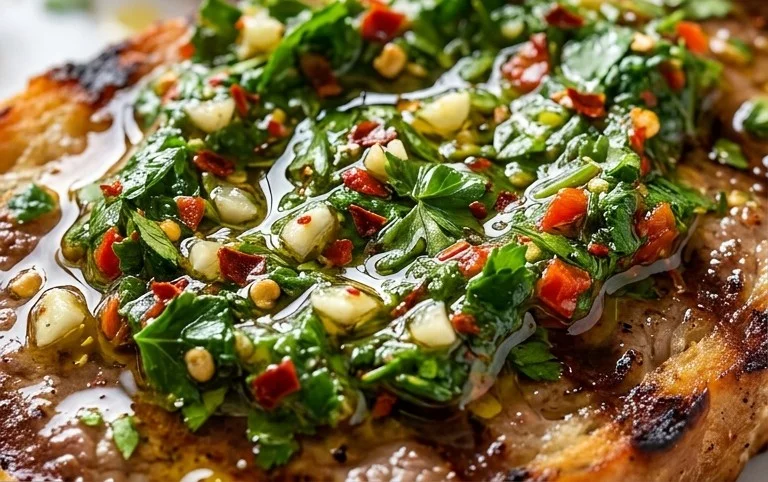
Conclusion:
You’ve now unlocked the secret to a vibrant, herb-packed powerhouse: our Chimichurri Sauce recipe! This isn’t just a condiment; it’s a flavor explosion that breathes life into any dish. Its bright, herbaceous notes and hint of acidity make it incredibly versatile, transforming grilled meats, roasted vegetables, and even simple seafood into culinary masterpieces. The beauty of this chimichurri sauce recipe lies in its simplicity and freshness, allowing high-quality ingredients to shine. Don’t be afraid to experiment with it – it’s truly a game-changer for your kitchen!
Serving suggestions abound! Drizzle it generously over grilled steaks, chicken, or beef. It’s equally delicious with roasted potatoes, fish tacos, or as a vibrant salad dressing. Think of it as your go-to for adding a zesty kick to almost anything.
Feeling adventurous? Try adding a pinch of red pepper flakes for a touch of heat, or swap out parsley for cilantro for a different herb profile. You can even add a touch of lemon zest for an extra citrusy punch.
Frequently Asked Questions:
How long does chimichurri sauce last?
Properly stored in an airtight container in the refrigerator, your fresh chimichurri sauce should last for up to a week. The vibrant green color might fade slightly, but the flavor will remain delicious.
Can I make chimichurri sauce ahead of time?
Absolutely! In fact, making it a few hours or even a day ahead allows the flavors to meld and deepen beautifully. Just give it a good stir before serving.
What if I don’t have fresh oregano?
While fresh oregano is ideal, you can substitute with dried oregano in a pinch. Use about one-third the amount of dried oregano compared to fresh, as dried herbs are more concentrated in flavor.
Chimichurri Sauce Recipe
A vibrant and zesty Argentinian sauce perfect for grilled meats.
Ingredients
-
1 cup fresh Italian flat-leaf parsley, leaves only, stems removed
-
1/4 cup fresh cilantro, leaves only, stems removed
-
1/4 cup fresh oregano, leaves only, stems removed
-
1/3 cup roughly chopped red onion
-
3 cloves garlic, peeled
-
1/2 teaspoon red pepper flakes
-
1/2 cup extra-virgin olive oil
-
1/4 cup red grape juice vinegar
-
3 tablespoons fresh lemon juice
-
1 teaspoon kosher salt
Instructions
-
Step 1
Finely chop the parsley, cilantro, and oregano. -
Step 2
Mince the chopped red onion and garlic. -
Step 3
In a medium bowl, combine the chopped herbs, onion, garlic, and red pepper flakes. -
Step 4
Whisk together the olive oil, red grape juice vinegar, lemon juice, and kosher salt in a separate small bowl. -
Step 5
Pour the liquid mixture over the herb and onion mixture. -
Step 6
Stir well to combine. For best flavor, let the chimichurri sauce sit for at least 15-30 minutes before serving.
Important Information
Nutrition Facts (Per Serving)
It is important to consider this information as approximate and not to use it as definitive health advice.
Allergy Information
Please check ingredients for potential allergens and consult a health professional if in doubt.