Easy Homemade Bread Recipe – Delicious & Simple Baking
Homemade bread is more than just a culinary creation; it’s an experience that fills your home with an irresistible aroma and your heart with a sense of accomplishment. There’s something deeply satisfying about transforming simple ingredients – flour, water, yeast, and salt – into a warm, crusty loaf that’s perfect for slathering with butter or pairing with your favorite soup. We all love this dish because it taps into a primal comfort, a tradition passed down through generations. The magic of homemade bread lies in its simplicity and the subtle nuances that arise from the baker’s touch. It’s a testament to patience and care, a delicious reward for a little bit of effort. This isn’t just about sustenance; it’s about creating a moment of pure joy, a taste of home that store-bought versions simply can’t replicate. Get ready to embark on a journey of delicious discovery as we bake some incredible homemade bread together!
Homemade Bread: The Comfort of a Freshly Baked Loaf
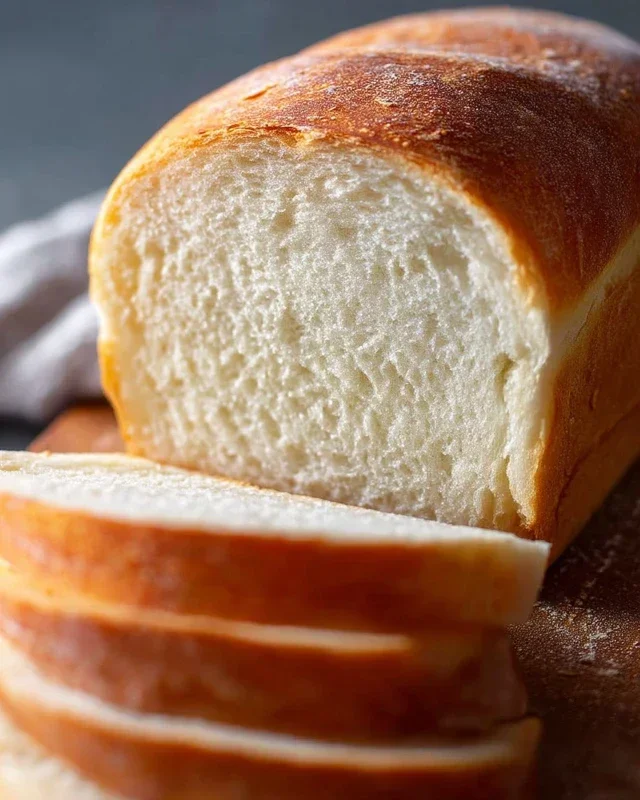
There’s an undeniable magic to homemade bread. The aroma that fills your kitchen as it bakes, the satisfying crackle of the crust, and the pillowy softness within – it’s a culinary comfort like no other. While the thought of baking bread from scratch might seem daunting, I promise you, it’s a wonderfully rewarding process that’s far more achievable than you might think. This recipe is a fantastic starting point, yielding a wonderfully versatile loaf perfect for toasting, sandwiches, or simply slathered with butter.
Ingredients:
*A note on flour: While all-purpose flour will work beautifully for a softer crum extractb, using bread flour will give you a chewier texture and a more robust crust due to its higher gluten content. You can start with 4 cups of flour and add more as needed until the dough reaches the right consistency.
Getting Started: Activating the Yeast
The first crucial step is to ensure your yeast is alive and ready to work its magic. In a large mixing bowl, combine the warm water and your chosen sweetener – either the honey or sugar. The water temperature is key here; too hot and you’ll kill the yeast, too cool and it won’t activate properly. Aim for that sweet spot between 105 and 115 degrees Fahrenheit, which feels comfortably warm to the touch but not hot. Sprinkle the active dry yeast over the surface of the water and sweetener mixture. Give it a gentle stir, and then let it sit undisturbed for about 5-10 minutes. You’re looking for it to become foamy and bubbly. This visual cue tells you the yeast is active and ready to transform your dough. If you don’t see any foam, your yeast might be old or the water temperature was off, and it’s best to start again with fresh yeast.
Bringin extractg it All Together: Mixing the Dough
Once your yeast has bloomed, it’s time to add the remaining wet ingredients. Add the salt and the oil to the yeast mixture and stir to combine. Now, it’s time for the flour. Gradually add your flour, starting with 4 cups. Mix with a sturdy spoon or a dough whisk until a shaggy dough begin extracts to form. At this stage, the dough will be quite sticky.
Kneading Your Way to Success
This is where the real work and the true satisfaction begin extract. Turn the shaggy dough out onto a lightly floured surface. If it’s incredibly sticky, you can add a little more flour, about a tablespoon at a time, but be careful not to add too much, as this will result in a dry, dense loaf. Now, it’s time to knead. Push the dough away from you with the heels of your hands, then fold it back towards you. Rotate the dough a quarter turn and repeat. Continue this rhythmic process for about 8-10 minutes. You’re developing the gluten in the flour, which gives the bread its structure. The dough should become smooth, elastic, and should spring back slightly when you poke it with your finger. It will no longer be sticky to the touch.
The First Rise: Patience is a Virtue
Once your dough is beautifully kneaded, it’s time for its first rise. Lightly grease a clean bowl with a little oil. Place the dough into the bowl, turning it to coat all sides with oil. Cover the bowl tightly with plastic wrap or a clean kitchen towel. Find a warm, draft-free spot for your dough to rise. This could be a slightly warmed oven (turned off, of course!), on top of your refrigerator, or simply in a cozy corner of your kitchen. Let the dough rise for about 1 to 1.5 hours, or until it has doubled in size. This is a crucial step for developing flavor and texture. Don’t rush it!
Shaping Your Loaf: Ready for the Oven
After the dough has doubled in size, gently punch it down to release the air. Turn the dough out onto a lightly floured surface once more. At this point, you can shape your loaf. For a classic round loaf (boule), gently tuck the edges underneath until you have a taut surface. For a loaf pan, shape the dough into a rectangle that will fit your greased loaf pan. Once shaped, place the dough into its prepared pan or on a baking sheet lined with parchment paper.
The Second Rise and Baking: The Grand Finnon-alcoholic ale
Cover the shaped dough loosely with plastic wrap or a kitchen towel and let it rise for a second time. This rise is typically shorter, about 30-45 minutes, and the dough should increase by about 50-75% in volume. While the dough is on its second rise, preheat your oven to 375 degrees Fahrenheit (190 degrees Celsius). Once the dough has completed its second rise, it’s ready for the oven. You can score the top of the loaf with a sharp knife or razor blade if you like, which allows the bread to expand in a controlled way. Bake for 30-40 minutes, or until the crust is a deep golden brown and the internal temperature of the bread reaches around 200-210 degrees Fahrenheit (93-99 degrees Celsius). When you tap the bottom of the loaf, it should sound hollow.
Cooling: The Ultimate Test of Patience
Once baked, immediately turn the bread out of its pan onto a wire rack. This is perhaps the hardest part – letting it cool completely! Resist the urge to slice into it while it’s still hot. The steam needs to escape, and the internal structure needs to set. Letting it cool for at least an hour will result in a much better texture and flavor. Enjoy the fruits of your labor!
Conclusion:
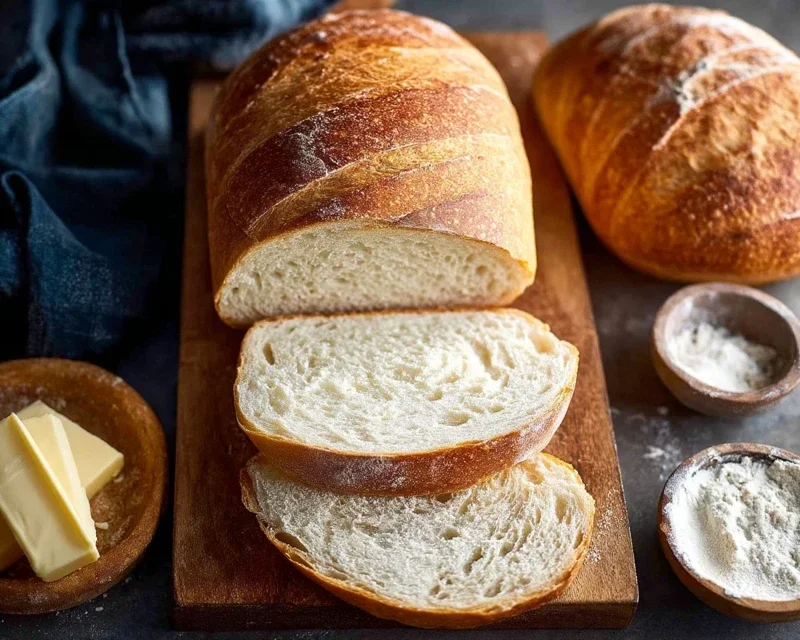
And there you have it – your very own, wonderfully aromatic, and incredibly delicious homemade bread! This recipe truly shines because it demystifies the bread-making process, proving that anyone can achieve that perfect crust and soft, airy interior with a little patience and quality ingredients. Imagin extracte the satisfaction of pulling a golden-brown loaf out of your oven, filling your kitchen with that irresistible scent. It’s an experience far superior to any store-bought option. Enjoy your homemade bread slathered with butter, dipped in soup, or as the base for your favorite sandwich. Feel free to get creative with variations – add herbs, seeds, or even a touch of honey for sweetness. Don’t be intimidated; embrace the journey and savor the reward. I encourage you to give this recipe a try; you won’t regret it!
Frequently Asked Questions:
Why is my bread dense?
A dense loaf often indicates under-proofing or insufficient kneading. Ensure your dough has had enough time to rise in a warm place, and that you’ve developed the gluten sufficiently during the kneading process. Over-mixing after the first rise can also deflate the dough, leading to density.
Can I make this bread ahead of time?
Absolutely! Once baked and completely cooled, homemade bread can be stored in a bread box or a loosely senon-alcoholic aled plastic bag at room temperature for 2-3 days. For longer storage, it freezes beautifully. Simply wrap it tightly in plastic wrap and then in foil, and it will keep for up to 3 months. Thaw at room temperature.
What’s the best way to store homemade bread?
The ideal way to store your finished loaf is in a bread box, which allows for air circulation while keeping it protected. If you don’t have a bread box, a paper bag or a loosely tied plastic bag works well for short-term storage. Avoid tightly sealing a warm loaf, as this can create steam and lead to a soggy crust.
Homemade Bread
A simple and delicious recipe for homemade bread, perfect for beginners. This recipe uses common pantry staples to create a soft, fluffy loaf.
Ingredients
-
2 cups warm water (105-115 degrees) ((474g))
-
1 Tablespoons active dry yeast*
-
1/4 cup honey or sugar ((85g honey, 50g sugar))
-
2 teaspoons salt
-
2 Tablespoons canola oil ((30 ml))
-
4 – 5 1/2 cups all-purpose or bread flour* ((500g-688g))
Instructions
-
Step 1
In a large bowl, combine the warm water, yeast, and honey (or sugar). Let it sit for 5-10 minutes until foamy. -
Step 2
Stir in the salt and oil. -
Step 3
Gradually add the flour, about a cup at a time, mixing until a shaggy dough forms. You may not need all the flour. -
Step 4
Turn the dough out onto a lightly floured surface and knead for 8-10 minutes until smooth and elastic. -
Step 5
Place the dough in a greased bowl, cover, and let it rise in a warm place for 1-1.5 hours, or until doubled in size. -
Step 6
Punch down the dough and shape it into a loaf. Place it in a greased loaf pan. -
Step 7
Cover and let it rise again for 30-45 minutes, until almost doubled. -
Step 8
Preheat oven to 375°F (190°C). Bake for 30-35 minutes, or until golden brown and the loaf sounds hollow when tapped.
Important Information
Nutrition Facts (Per Serving)
It is important to consider this information as approximate and not to use it as definitive health advice.
Allergy Information
Please check ingredients for potential allergens and consult a health professional if in doubt.