Japchae Korean Glass Noodle Stir Fry Recipe- Delicious & Easy
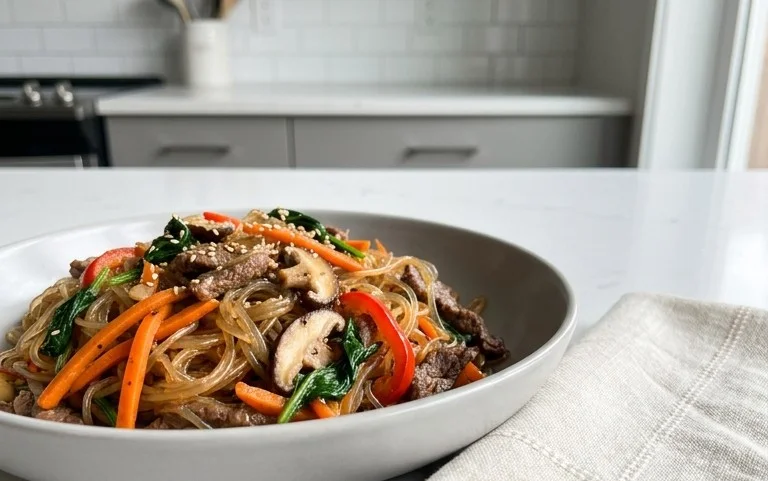
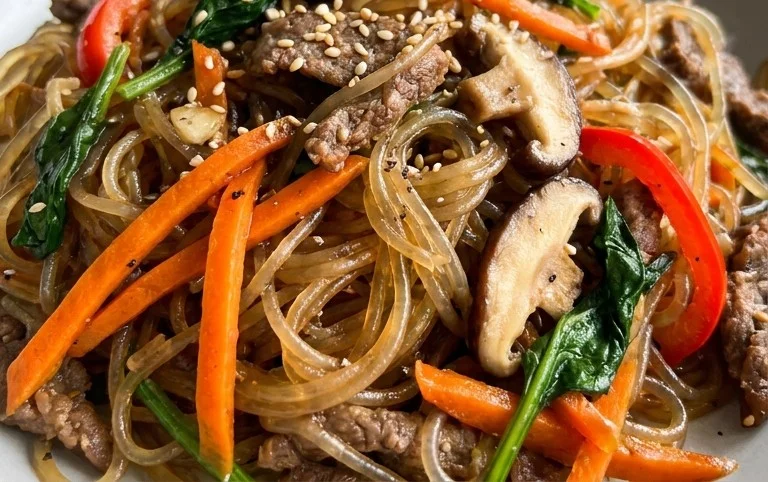
Japchae, a beloved Korean glass noodle stir fry, is a dish that truly dances on the palate. It’s a vibrant tapestry of textures and flavors, a culinary masterpiece that has captured hearts and stomachs across the globe, and for very good reason. Imagin extracte this: chewy, translucent sweet potato noodles, perfectly stir-fried with an array of colorful vegetables like crisp bell peppers, tender spinach, and earthy mushrooms. All of this is then coated in a glistening, savory-sweet sauce infused with soy sauce, sesame oil, and a hint of garlic. What makes Japchae so incredibly special is its harmonious balance. It’s not just a meal; it’s an experience. Each forkful offers a delightful chew from the noodles, a satisfying crunch from the vegetables, and an umami explosion that leaves you craving more. Whether you’re looking for a comforting weeknight dinner or a show-stopping dish to impress your guests, this Japchae recipe is your ticket to Korean culinary bliss.
Japchae: A Vibrant and Flavorful Korean Glass Noodle Stir Fry
Japchae is a beloved Korean dish that’s as beautiful to look at as it is delicious to eat. Its vibrant colors and delightful textures come from a medley of stir-fried vegetables, tender strips of meat, and chewy sweet potato glass noodles, all coated in a savory and slightly sweet sesame soy sauce. It’s a fantastic dish for any occasion, whether it’s a family meal, a potluck, or a special celebration. The beauty of Japchae lies in its versatility; you can easily adapt it to your preferences by adding or swapping out vegetables. Let’s dive into how you can create this wonderful Korean classic in your own kitchen.
Ingredients:
Preparing the Components
Before we begin extract stir-frying, it’s essential to have all our ingredients prepped and ready to go. This is a dish where things move quickly once you start cooking, so mise en place is key.
1. Cook the Glass Noodles: Bring a large pot of water to a rolling boil. Add the sweet potato glass noodles and cook according to package instructions, typically for about 6-8 minutes, until they are tender and chewy but not mushy. They should have a slight bite to them. Drain the noodles thoroughly in a colander and rinse them under cold water to stop the cooking process and prevent them from sticking together. Once drained, transfer them to a large bowl.
2. Marinate the Beef: In a separate bowl, combine the beef strips with a tablespoon of soy sauce, a teaspoon of sesame oil, and a pinch of black pepper. Toss to coat the beef evenly. Let it marinate for at least 15 minutes while you prepare the vegetables. This helps to tenderize the meat and infuse it with flavor.
3. Prepare the Sauce: In a small bowl, whisk together the 7 tablespoons of soy sauce, 3 tablespoons of honey, 2 tablespoons of brown sugar, and 2 tablespoons of toasted sesame oil. This is the flavor base for our Japchae, so make sure it’s well combined. Taste it and adjust the sweetness or saltiness if needed. You might want to add a little more honey or brown sugar if you prefer a sweeter sauce, or a touch more soy sauce for saltiness.
4. Cook the Egg Crepes: Heat a lightly oiled non-stick skillet over medium heat. Pour in about half of the beaten eggs to form a thin crepe. Cook for about 1-2 minutes per side until lightly golden. Repeat with the remaining egg to make a second crepe. Once cooled, stack the egg crepes and thinly slice them into ribbons. Set aside. These will be a beautiful garnish.
5. Stir-Fry the Vegetables and Beef: This is where the magic happens! You’ll want to cook each component separately to ensure they are cooked to perfection and retain their individual textures and colors.
6. Combine and Sauce: Now it’s time to bring everything together. In the large bowl with the cooked glass noodles, add the cooked beef, stir-fried onions, carrots, mushrooms, and wilted spinach. Add the green onion pieces. Pour the prepared sauce over the mixture. Gently toss everything together using tongs or your hands, ensuring that the noodles and vegetables are evenly coated with the sauce. Be careful not to break the noodles.
7. Final Touches and Serving: Once everything is well combined and coated in the delicious sauce, you can give it a final taste and adjust seasonings if necessary. If you’d like, you can return the entire mixture to the skillet for a minute or two over low heat to ensure everything is warmed through evenly. Serve the Japchae warm. Garnish generously with the sliced egg crepes and a sprinkle of toasted sesame seeds, if desired. The contrasting colors and textures make this dish a true showstopper, and the combination of savory, sweet, and nutty flavors is incredibly satisfying. Enjoy your homemade Japchae!
Conclusion:
I hope you’re feeling inspired to whip up a batch of delicious Japchae! This classic Korean glass noodle stir fry truly is a crowd-pleaser. Its delightful combination of chewy noodles, vibrant vegetables, and savory-sweet sauce makes it a satisfying meal that’s both beautiful and incredibly flavorful. It’s a fantastic way to enjoy a taste of authentic Korean cuisine right in your own kitchen, and it’s surprisingly adaptable to your preferences.
One of the best things about Japchae is its versatility. Serve it as a main course alongside some kimchi and other banchan (Korean side dishes), or enjoy it as a hearty side dish to grilled meats or stews. For a vegetarian or vegan option, simply omit the meat and load up on extra vegetables. You can also experiment with different vegetables like broccoli, snow peas, or even mushrooms for added texture and flavor. Don’t be afraid to adjust the sauce to your liking – a little more soy sauce for saltiness, or a touch more honey for sweetness, is perfectly acceptable.
So go ahead, gather your ingredients, and give this wonderful Japchae recipe a try. I’m confident you’ll love the process and, more importantly, the incredibly rewarding outcome. It’s a dish that’s sure to become a favorite in your cooking repertoire!
Frequently Asked Questions:
What are Korean glass noodles?
Korean glass noodles, also known as dangmyeon, are made from sweet potato starch. This is what gives them their signature chewy texture and translucent appearance when cooked. They absorb flavors beautifully, making them perfect for stir-fries like Japchae.
Can I make Japchae ahead of time?
While it’s best enjoyed fresh, you can prepare some components of Japchae ahead of time. You can chop all your vegetables and store them separately in the refrigerator. You can also cook the noodles and rinse them, but be sure to toss them with a little sesame oil to prevent them from sticking together. Reheat gently before combining everything with the sauce.
What if I don’t have all the listed vegetables?
That’s the beauty of Japchae! Feel free to substitute with vegetables you have on hand. Bell peppers, carrots, onions, spinach, and mushrooms are all excellent choices. The key is to have a variety of colors and textures to make your Japchae visually appealing and delicious.
Japchae (Korean Glass Noodle Stir Fry)
A classic Korean dish featuring chewy sweet potato noodles stir-fried with thinly sliced vegetables, marinated beef, and a savory-sweet sauce. Perfect for a flavorful and satisfying meal.
Ingredients
-
12 ounces sweet potato glass noodles
-
16 ounces pork (cut into strips (cuts like flank, skirt, ribeye are great; you can use pork instead too))
-
2 large eggs (beaten)
-
1 large carrot (peeled and julienned)
-
1 medium yellow onion (thinly sliced)
-
3 mushrooms (thinly sliced (any mushrooms of your choice))
-
2 cups baby spinach (packed)
-
2 stalks green onion (cut into 1 inch pieces)
-
oil (for cooking)
-
Toasted sesame seeds (optional for garnish)
-
Salt and black pepper (as needed)
-
7 tablespoons soy sauce (light sodium)
-
3 tablespoons honey (or use more brown sugar)
-
2 tablespoons brown sugar (light or dark)
-
2 tablespoons toasted sesame oil
Instructions
-
Step 1
Cook sweet potato glass noodles according to package directions. Drain and rinse with cold water. Toss with 1 tablespoon of sesame oil and set aside. -
Step 2
Marinate the pork strips with 2 tablespoons soy sauce, 1 tablespoon brown sugar, 1 tablespoon honey, and 1 teaspoon sesame oil for at least 15 minutes. -
Step 3
In a small pan, cook the beaten eggs thinly to make egg crepes. Let cool, then julienne. -
Step 4
Stir-fry the marinated pork in a large skillet or wok with a little oil over medium-high heat until browned. Remove from skillet and set aside. -
Step 5
Add a little more oil to the skillet. Stir-fry the sliced onions and carrots until tender-crisp. Add the mushrooms and cook for another 2-3 minutes. -
Step 6
Add the baby spinach to the skillet and cook until just wilted. Return the cooked pork to the skillet. -
Step 7
Add the cooked glass noodles to the skillet. In a small bowl, whisk together the remaining 5 tablespoons soy sauce, 2 tablespoons honey, 1 tablespoon brown sugar, and 1 tablespoon sesame oil. Pour this sauce over the noodles and vegetables. -
Step 8
Toss everything together gently until well combined and heated through. Stir in the julienned egg crepes and green onions. Season with salt and black pepper to taste. -
Step 9
Serve immediately, garnished with toasted sesame seeds if desired.
Important Information
Nutrition Facts (Per Serving)
It is important to consider this information as approximate and not to use it as definitive health advice.
Allergy Information
Please check ingredients for potential allergens and consult a health professional if in doubt.