Easy Chimichurri Sauce – Fresh Herb Marinade
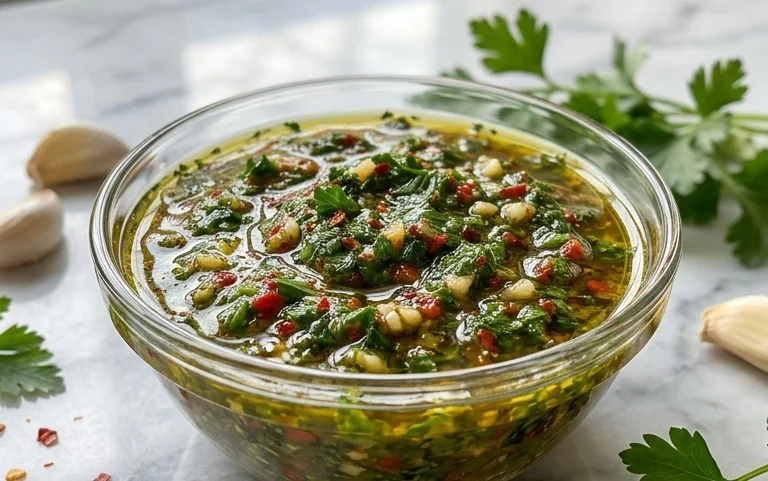
Chimichurri sauce is an Argentinian revelation, a vibrant green elixir that elevates everything it touches. If you’ve ever savored a perfectly grilled steak, a tender lamb chop, or even a humble roasted vegetable, chances are you’ve encountered the magic of chimichurri sauce. This isn’t just any condiment; it’s a herbaceous symphony, a zesty tango of fresh parsley, pungent garlic, earthy oregano, and a kick of red pepper flakes, all bound together with the bright tang of vinegar and the richness of olive oil. What makes this Argentinian treasure so beloved? It’s its incredible versatility and its ability to cut through richness, adding a burst of freshness and a delightful complexity. It’s the secret weapon that transforms simple ingredients into a culinary masterpiece, a sauce that’s as beautiful to look at as it is delicious to eat.
Let’s dive into crafting this unforgettable chimichurri sauce!
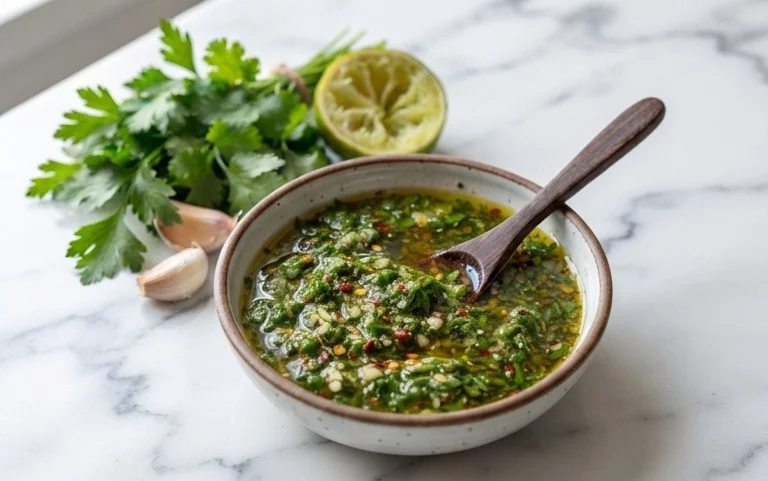
Chimichurri Sauce: The Vibrant Argentinian Condiment You Need
There are few sauces that pack as much punch and versatility as chimichurri. This vibrant, herbaceous condiment, origin extractating from Argentina, is a revelation. Forget boring steak sauces; chimichurri is your new best friend for grilled meats, roasted vegetables, and even as a zesty dressing. Its bright, garlicky, and slightly acidic flavor profile cuts through richness and awakens your palate. Making it at home is incredibly simple, and the difference between fresh, homemade chimichurri and store-bought is night and day. Once you try this recipe, you’ll be reaching for it constantly. Let’s dive into how to create this culinary masterpiece.
Ingredients:
Crafting Your Chimichurri
The beauty of chimichurri lies in its freshness and the straightforward preparation. It’s a sauce that celebrates the pure flavors of its ingredients, so using good quality, fresh produce will make a significant difference in the final taste. I find that finely chopping everything by hand yields the best texture, allowing each herb and aromatic to shine through individually rather than being pureed into a homogenous paste. However, for a quicker approach, a food processor can be used, but be mindful not to over-process, as you want a slightly chunky consistency.
Step 1: Prepare the Fresh Herbs
Begin extract by washing and thoroughly drying your fresh parsley and cilantro. It’s crucial that the herbs are dry to prevent the sauce from becoming watery. You can use a salad spinner or gently pat them dry with paper towels. Strip the leaves from the stems of the parsley and cilantro. For the oregano, if you’re using fresh, strip the leaves from the stems as well. If you’re opting for dried oregano, measure it out and set it aside.
Step 2: Chop the Aromatics
Finely mince the red onion or shallot. The goal here is to have very small pieces, almost like tiny jewels. If you prefer a milder onion flavor, you can soak the chopped onion in cold water for about 10 minutes, then drain thoroughly before adding it to the sauce. This step helps to reduce its pungency. Next, peel and finely mince the garlic cloves. You want the garlic flavor to be prominent but not overpowering, so precise mincing is key.
Step 3: Combine the Dry Ingredients and Herbs
In a medium-sized bowl, combine the finely chopped parsley, cilantro, oregano (fresh or dried), minced red onion or shallot, and minced garlic. Add the salt and the red pepper flakes, if you’re using them. Give everything a good stir to distribute the ingredients evenly. This initial mixing helps to meld the flavors as you prepare the liquids.
Step 4: Add the Liquids and Emulsify
Now it’s time to add the acidic elements that will brighten the sauce. Pour in the red grape juice vinegar and the fresh lemon juice. Stir these into the herb and aromatic mixture. At this stage, the sauce will look quite vibrant but a little sparse. The next step is where the magic of emulsification begin extracts. Slowly drizzle in the olive oil while stirring continuously. You can do this with a whisk or a spoon. As you add the olive oil, the sauce will start to thicken slightly and develop a more cohesive texture. Aim for a consistency that is neither too thick nor too thin – it should be pourable but still have some body.
Step 5: Taste and Adjust Seasoning
This is arguably the most important step. Taste your chimichurri! Does it need more salt? A touch more vinegar for tang? Perhaps a pinch more red pepper flakes for heat? Chimichurri is a very personal sauce, and its flavor balance can be adjusted to your preferences. I often find myself adding a little extra lemon juice or a tiny pinch more salt to really make the flavors pop. If you find it too acidic, you can always add a tiny bit more olive oil to mellow it out. Let it sit for at least 15-20 minutes before serving to allow the flavors to meld further. This resting period is crucial for the best taste.
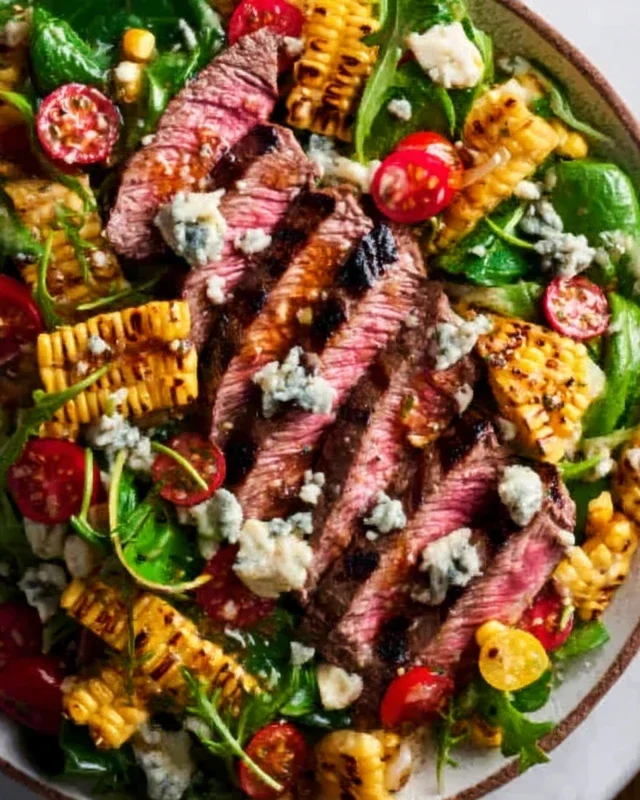
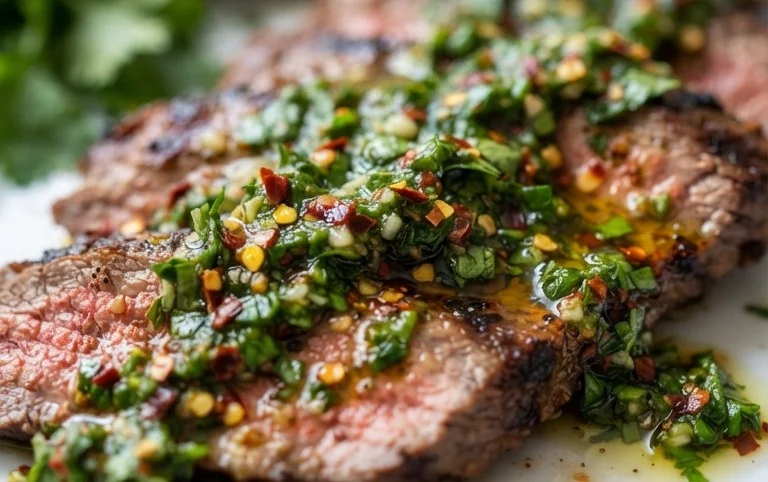
Enjoy your homemade chimichurri! It’s perfect drizzled over grilled steak, chicken, or fish. It’s also a fantastic accompaniment to roasted potatoes or grilled vegetables. You can even use it as a sandwich spread or as a dressing for salads. Store any leftovers in an airtight container in the refrigerator for up to a week. The flavors will continue to deepen and improve over time.
Conclusion:
There you have it – a simple yet incredibly flavourful Chimichurri Sauce recipe that’s destined to become a staple in your kitchen! This vibrant, herbaceous sauce is a game-changer for elevating grilled meats, roasted vegetables, and even as a zesty salad dressing. Its magic lies in the fresh parsley and oregano, balanced perfectly with garlic, vinegar, and a hint of chili. It’s not just a condiment; it’s a burst of sunshine on a plate! I truly encourage you to give this recipe a try; I promise you won’t be disappointed by how easily it transforms ordinary meals into something extraordinary.
Don’t be afraid to experiment! While the classic recipe is fantastic, consider adding a touch of red pepper flakes for more heat, a squeeze of lime juice for extra tang, or even some fresh mint for a different herbaceous note. It’s incredibly versatile. Serve it generously over perfectly grilled steak, juicy chicken, roasted potatoes, or even a simple white fish. It also makes a wonderful dip for crusty bread or a bright accompaniment to empanadas.
Frequently Asked Questions:
How long does Chimichurri Sauce last?
Stored in an airtight container in the refrigerator, your homemade Chimichurri Sauce should stay fresh for up to a week. The oil helps preserve it, and the vinegar adds a bit of acidity for shelf-life. Give it a good shake before each use, as the ingredients can separate.
Can I make Chimichurri Sauce ahead of time?
Absolutely! In fact, making it a few hours or even a day in advance is ideal. This allows the flavours to meld and deepen beautifully, resulting in an even more robust and delicious sauce. Just remember to store it properly as mentioned above.
What can I substitute for red grape juice vinegar?
If you don’t have red grape juice vinegar, white grape juice vinegar or apple cider vinegar are excellent substitutes. You could even use fresh lime juice for a distinctly different, brighter flavour profile.
Chimichurri Sauce
A vibrant and herbaceous Argentinian sauce perfect for grilling.
Ingredients
-
1 1/2 cups well packed (42g) fresh parsley
-
1/2 cup well packed (20g) fresh cilantro
-
1/4 cup (9g) fresh oregano or 1 tsp dried
-
1/4 small red onion or one small shallot
-
3 garlic cloves
-
3 Tbsp red grape juice vinegar
-
2 Tbsp fresh lemon juice
-
1/2 tsp salt, (then more to taste)
-
1/4 tsp red pepper flakes ((optional, more or less to taste))
-
3/4 cup olive oil
Instructions
-
Step 1
Finely chop the fresh parsley, cilantro, oregano, red onion (or shallot), and garlic. -
Step 2
In a medium bowl, combine the chopped herbs, onion/shallot, and garlic. -
Step 3
Add the red grape juice vinegar, fresh lemon juice, salt, and red pepper flakes (if using). -
Step 4
Whisk until well combined. -
Step 5
Slowly drizzle in the olive oil while whisking continuously until emulsified. -
Step 6
Taste and adjust seasoning with more salt or red pepper flakes as needed. -
Step 7
For best flavor, let the chimichurri sauce rest for at least 15 minutes before serving to allow the flavors to meld.
Important Information
Nutrition Facts (Per Serving)
It is important to consider this information as approximate and not to use it as definitive health advice.
Allergy Information
Please check ingredients for potential allergens and consult a health professional if in doubt.